
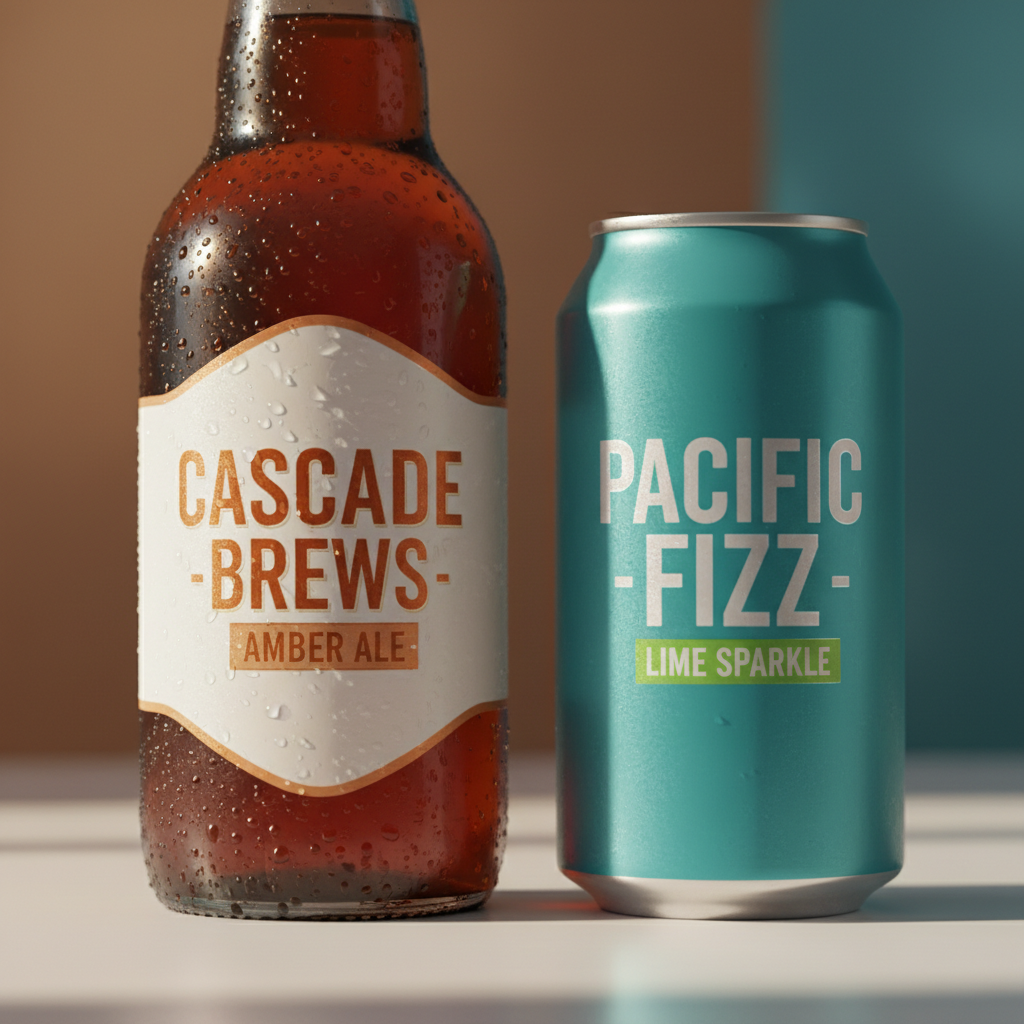
Moisture-resistant food and beverage labels are essential for maintaining brand integrity in cold storage environments where condensation and ice water can cause peeling or ink degradation. Selecting high-performance materials such as polypropylene, vinyl, or film-laminated papers ensures superior adhesion and durability; these choices help products remain compliant and visually appealing throughout the entire supply chain.
Imagine a premium craft beverage losing its visual identity the moment it enters a retail refrigerator. Condensation is the silent enemy of product branding, often causing standard paper labels to ripple, peel, or smudge before they even reach the consumer. For food and beverage producers, moisture resistance is not merely an aesthetic choice; it is a fundamental requirement for maintaining brand integrity and meeting strict EU legibility standards. This guide explores the technical foundations of high performance labeling in humid environments. You will learn how to select between BOPP and PET synthetic materials, the critical role of cold chain adhesives, and the strategic application of protective finishes like UV varnishes and film laminations. We also provide specific insights for Estonian producers to ensure their packaging remains pristine from the production line to the cold storage shelf.
Why Moisture Resistance Matters for Food and Beverage Brands
Condensation occurs when warm, humid air meets a cold surface, causing water vapor to liquify. In the food and beverage industry, this physics problem is a constant threat. When a product moves from a production facility in Tartu to a refrigerated truck bound for Stockholm or Helsinki, the temperature drop forces moisture out of the air and onto the container. Standard paper labels, which lack synthetic protective barriers, absorb this liquid. The cellulose fibers swell, leading to flagging at the edges, bubbling across the surface, and ultimately, a total breakdown of the adhesive bond.
Investing in moisture-resistant food and beverage labels is a functional necessity for maintaining brand integrity rather than a simple design choice. A soggy, peeling label suggests a lack of quality control to the consumer, even if the product inside is pristine. For producers in the Baltic and Scandinavian regions, the challenge is amplified by high humidity during sea transport and the extreme shifts between ambient warehouse temperatures and the strict 4°C requirements of the cold chain. To ensure your branding remains intact from the production line to the consumer's table, you must select materials engineered for these specific thermal transitions. If you are preparing a new product launch, obtaining custom label quotes that account for these environmental stressors is the first step toward a durable custom printed labels solution.
Selecting the Right Synthetic Materials: BOPP vs. PET
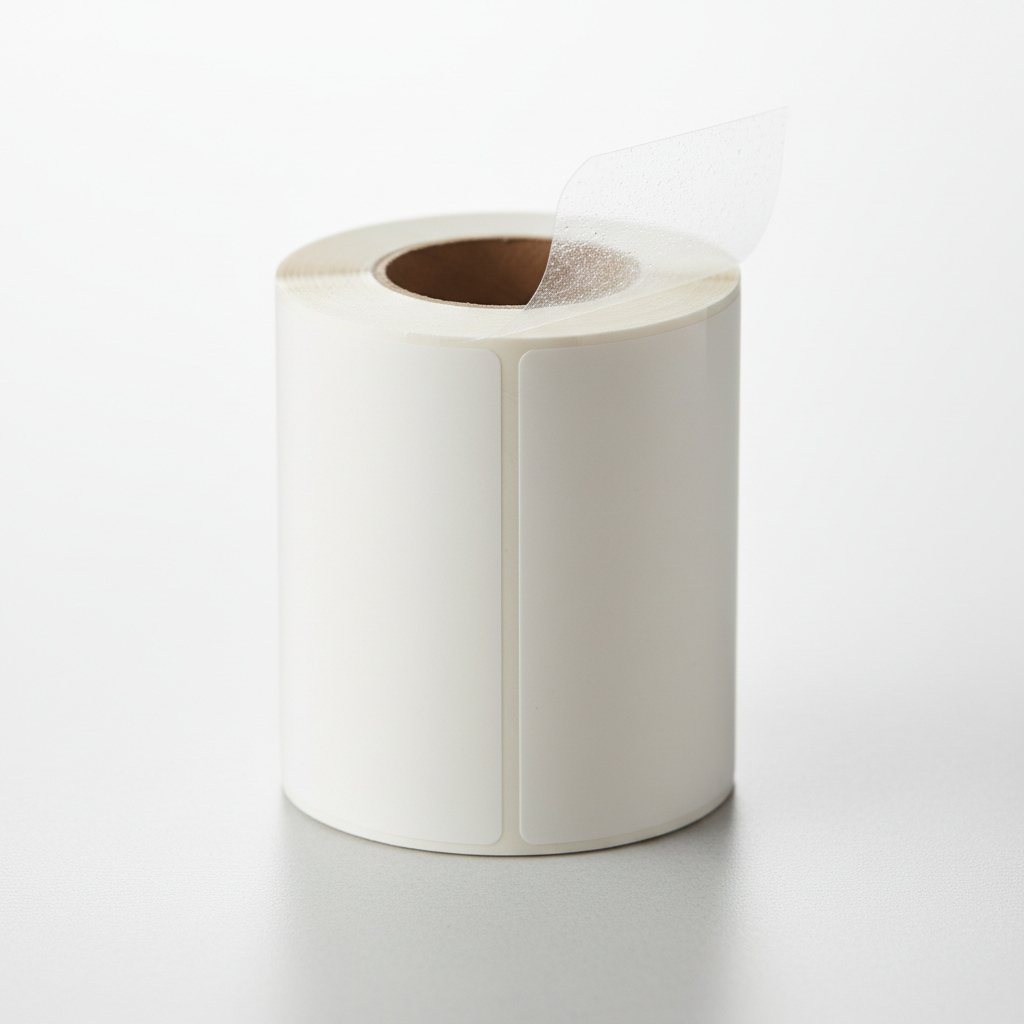
To survive the rigors of the cold chain, producers must look beyond fiber-based substrates. Synthetic films provide the structural integrity required for moisture-resistant food and beverage labels, as they do not absorb water. The two primary choices for Estonian and Scandinavian producers are Biaxially Oriented Polypropylene (BOPP) and Polyester (PET).
BOPP is the workhorse of the beverage industry. It is favored for craft beer, juices, and soft drinks because it offers excellent flexibility, allowing the label to conform to the curves of a bottle without edge lifting. It is also more cost-effective for large-scale production runs. When a clear BOPP film is used, it creates the popular no-label look, where the graphics appear printed directly onto the glass or plastic. This material maintains its clarity even when covered in heavy condensation droplets, ensuring the product looks premium in a retail refrigerator.
Feature | BOPP (Polypropylene) | PET (Polyester) |
|---|---|---|
Flexibility | High (Conforms to curves) | Low (Stiff) |
Durability | Good for standard use | Superior (Tear resistant) |
Heat Resistance | Moderate (Up to 80-100°C) | High (Up to 150°C+) |
Clarity | Excellent | Exceptional |
Common Use | Craft beer, soft drinks | Hot-fill jars, oils |
PET serves a different purpose. It is a stiffer, more robust material with significantly higher heat resistance. If your production process in Tartu involves hot-filling or pasteurization, PET is often the necessary choice to prevent the label from shrinking or distorting under thermal stress. Furthermore, PET is highly resistant to oils and chemicals, making it the preferred option for gourmet food products like infused oils or artisanal vinegars that might leak during transit.
The transition from a warm Tartu warehouse to a refrigerated truck bound for Stockholm or Helsinki is the ultimate stress test for material stability. While a paper label would ripple or swell during this shift, BOPP and PET remain dimensionally stable. They do not expand or contract significantly with temperature swings, preventing the label creep that ruins brand presentation. When requesting custom label quotes, specifying your filling temperature and expected shelf life will help determine which synthetic substrate is optimal for your custom printed labels.
The Role of Cold Chain Adhesives in Humid Environments
Selecting a high-performance film like BOPP is only half the battle; the adhesive serves as the invisible structural foundation of moisture-resistant food and beverage labels. Standard permanent acrylic adhesives often crystallize or lose tack when exposed to the low temperatures of a cold chain. To avoid failures, producers must distinguish between the application temperature and the service temperature. The application temperature refers to the environment at the exact moment the label meets the container. If your production line in Tartu involves labeling damp or chilled bottles, a standard adhesive will fail to "wet out" properly, leading to immediate peeling.
Adhesive Type | Application Temp Min. | Service Temp Range | Best Use Case |
|---|---|---|---|
Standard Permanent | +5°C | -20°C to +80°C | Ambient food jars, dry goods |
Cold-Temp | -10°C | -40°C to +60°C | Frozen foods, blast chillers |
All-Temperature | -20°C | -50°C to +90°C | Versatile export products, moist bottles |
The service temperature defines the range a label can withstand once the bond has fully cured, which is critical for shipments bound for Stockholm or Helsinki. Specialized cold-temp or all-temperature adhesives are engineered with a lower glass transition point. This ensures the adhesive remains pliable and aggressive, even when the container surface is freezing. When dealing with damp glass or plastic, high-tack adhesives are mandatory; these formulations are designed to displace the micro-layer of moisture to establish a secure bond. Neglecting this detail when ordering custom printed labels often results in label flagging, where the edges lift because the synthetic material's internal tension overcomes a weak adhesive. Before finalizing custom label quotes, verify that the adhesive technical data sheet aligns with both your application environment and your final storage conditions.
EU Labeling Compliance: Legibility in Cold and Damp Conditions
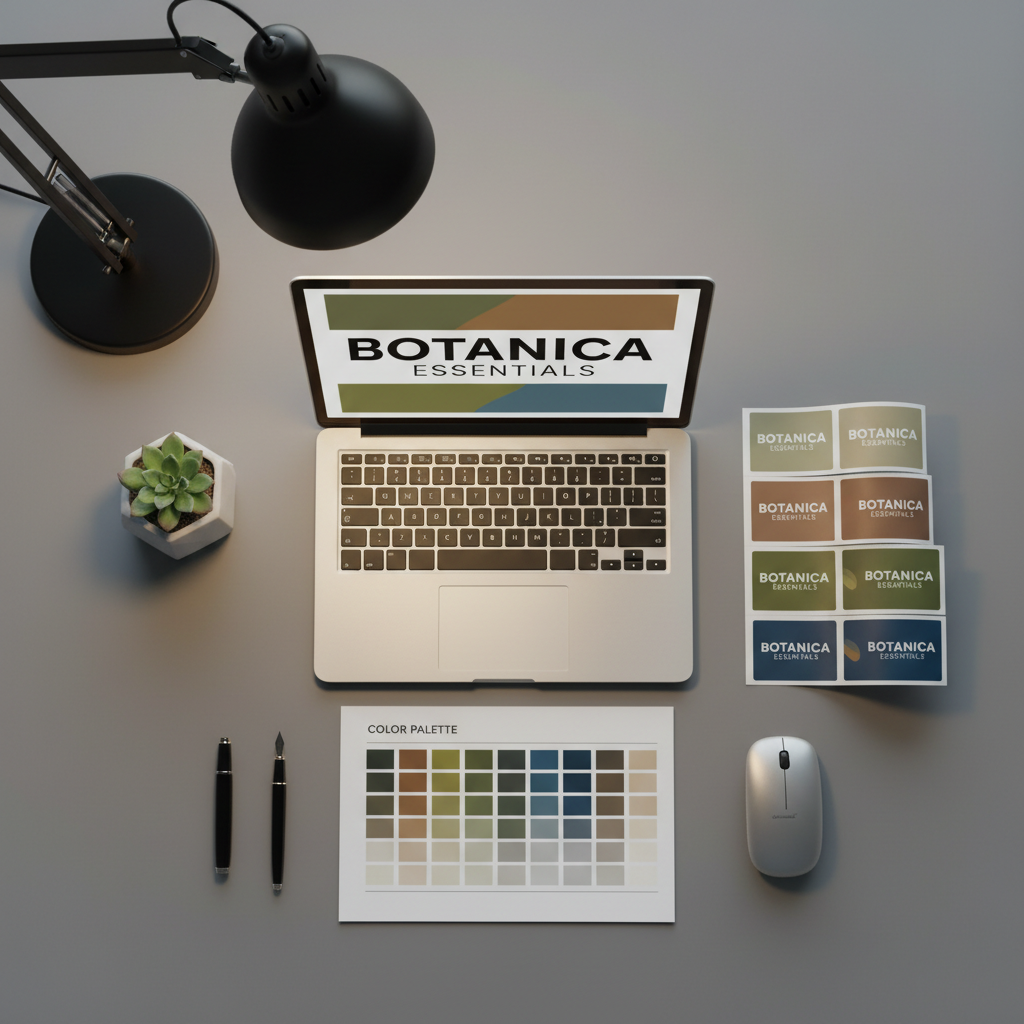
Building upon the structural integrity of the substrate and adhesive, producers must also consider the legal dimensions of label durability. EU Regulation 1169/2011, also known as the Food Information to Consumers (FIC) regulation, mandates that all food information must be easily visible, clearly legible, and, where appropriate, indelible. In the fluctuating humidity of the Baltic and Scandinavian markets, this is not a suggestion; it is a legal requirement. If moisture causes an allergen list to smear or a barcode to become unscannable, the product is technically non-compliant, which can lead to costly recalls or rejected shipments at the border.
To maintain compliance, the printing method must be engineered for moisture resistance. Standard water-based inks often fail in the cold chain because they can re-emulsify when exposed to heavy condensation. Instead, producers should prioritize UV-cured inks for their moisture-resistant food and beverage labels. UV inks undergo a polymerization process under ultraviolet light, resulting in a robust, plastic-like finish that bonds permanently to synthetic films like BOPP or PET. This ensures that graphics and text remain sharp even after prolonged exposure to ice water.
Printing Component | Technology | Performance in Cold Chain | Compliance Risk |
|---|---|---|---|
Primary Ink | UV-Cured | High resistance to moisture and abrasion | Low |
Variable Data | Resin Thermal Ribbon | Excellent bond to synthetics | Low |
Variable Data | Wax Thermal Ribbon | Poor; smudges when damp | High |
For variable data such as expiration dates and batch codes, the choice of thermal transfer ribbon is the final piece of the compliance puzzle. While wax ribbons are economical, they lack the durability needed for refrigerated transport. Full-resin ribbons are the professional standard for custom printed labels in the food industry. Resin provides the highest level of resistance to water, oils, and temperature shifts. When requesting custom label quotes, always specify that your variable data must withstand damp environments to ensure your products remain fully compliant from your Tartu facility to the retail shelf.
Protective Finishes: UV Varnish vs. Film Lamination
While the substrate and ink provide the foundation for moisture-resistant food and beverage labels, a protective finish acts as the final shield against environmental degradation. Producers must choose between UV varnish and film lamination based on the product’s expected lifecycle and handling. UV varnish is a liquid coating applied during the printing process and cured with ultraviolet light. It is an economical choice that provides a high-quality aesthetic and excellent resistance to surface scuffing during transit. However, because it is a thin coating rather than a solid layer, it can eventually succumb to prolonged submersion.
Film lamination involves applying a secondary layer of clear plastic, typically BOPP or PET, over the printed surface. This creates a complete physical barrier that is virtually impervious to moisture and heavy abrasion.
Feature | UV Varnish | Film Lamination |
|---|---|---|
Material Type | Liquid Coating | Solid Plastic Film |
Moisture Barrier | Moderate | Exceptional |
Abrasion Resistance | Good | Superior |
Cost | Economical | Premium |
Application | Refrigerated food jars | Ice buckets, premium spirits |
For premium spirits and craft beers destined for Stockholm bars or Helsinki ice buckets, film lamination is the professional standard. It ensures that custom printed labels remain pristine even after hours in melting ice. Conversely, UV varnish is highly effective for refrigerated food jars where the main threat is transit friction rather than liquid submersion. When requesting custom label quotes, defining the specific point of sale will help determine which protective barrier is necessary for your brand's longevity.
Practical Application Tips for Estonian Producers
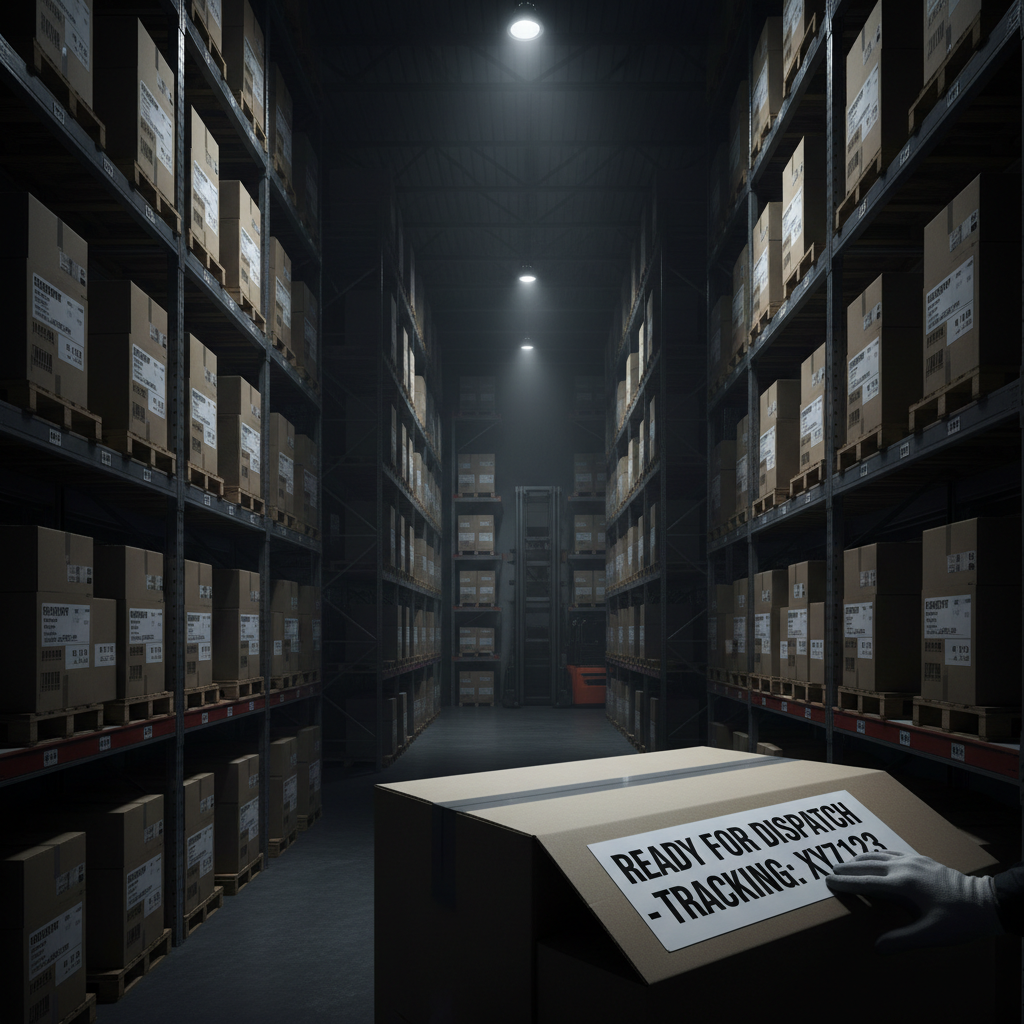
Success in the Baltic market requires more than just high-quality materials; the application process itself determines the longevity of your moisture-resistant food and beverage labels. For producers in Tartu, the most critical step is managing the surface condition of the container. Labels should always be applied to dry, room-temperature bottles or jars. Even if the final product is intended for a 4°C refrigerator, applying the label while the container is cold or damp prevents the adhesive from achieving a full molecular bond. This often leads to flagging, where the edges of the label begin to lift shortly after the product enters the cold chain.
A clean production environment is equally vital. In Tartu’s varied climate, fluctuating humidity levels can introduce dust or microscopic moisture films onto glass and plastic surfaces. Wiping containers down and ensuring the labeling area is climate-controlled prevents these contaminants from interfering with the adhesive's wet-out period.
Application Step | Recommendation | Reason |
|---|---|---|
Surface Temp | Room temperature (18°C to 22°C) | Ensures optimal adhesive flow |
Surface Condition | Dry and dust-free | Prevents bond interference |
Curing Time | 24 Hours | Allows adhesive to reach full strength |
Storage | Controlled humidity | Prevents premature material expansion |
A common question among new producers is how to make bottle labels waterproof. The professional answer is that waterproofing is not achieved through post-application sprays or hacks; it is determined at the point of material selection. To ensure your custom printed labels survive ice buckets and condensation, you must specify synthetic substrates and protective laminates during the design phase. Before finalizing your production run, requesting custom label quotes that include samples for testing on your specific container shape is the only way to guarantee performance. Allow a minimum of 24 hours for the adhesive to cure at room temperature before moving the stock into refrigerated storage or shipping it to distributors in Stockholm or Helsinki.
Common Mistakes to Avoid in Cold Storage Labeling
Choosing semi-gloss paper for products destined for the freezer is a frequent oversight that leads to brand failure. While cost-effective for dry shelf goods, paper fibers quickly saturate in deep-freeze environments, causing the ink to bleed and the substrate to disintegrate. Another critical error involves neglecting the mechanical tension of the label material on curved surfaces, a phenomenon known as label flagging. If a stiff film is applied to a small-diameter bottle or a flexible pouch without a high-tack adhesive, the material's natural tendency to return to a flat state will cause the edges to lift and peel away from the container.
These failures underscore the importance of selecting moisture-resistant food and beverage labels that are specifically matched to the container geometry and surface energy. Consulting with a regional expert like Vexa Label allows you to test specific material and adhesive combinations against your unique packaging before full production. Securing custom label quotes that include technical samples ensures your custom printed labels maintain their structural integrity through every thermal shift in the Baltic and Scandinavian supply chains.
Selecting the right materials for cold storage and EU compliance is vital for protecting your brand integrity. It requires a careful balance of moisture resistance and regulatory knowledge to ensure your packaging remains legible and safe. If you want expert help navigating these technical choices, our team can guide you through the process. Finding the ideal Custom Labels ensures that your products perform reliably in any environment. We are here to help you make informed decisions that support your business goals and maintain high quality standards.